

Roofing
A roof should complement your home and keep doing its job for decades.
Tile, standing seam metal, slate, shake and premium shingle, each matched to the architecture of your home.

How we think about roofs
The material follows the house.
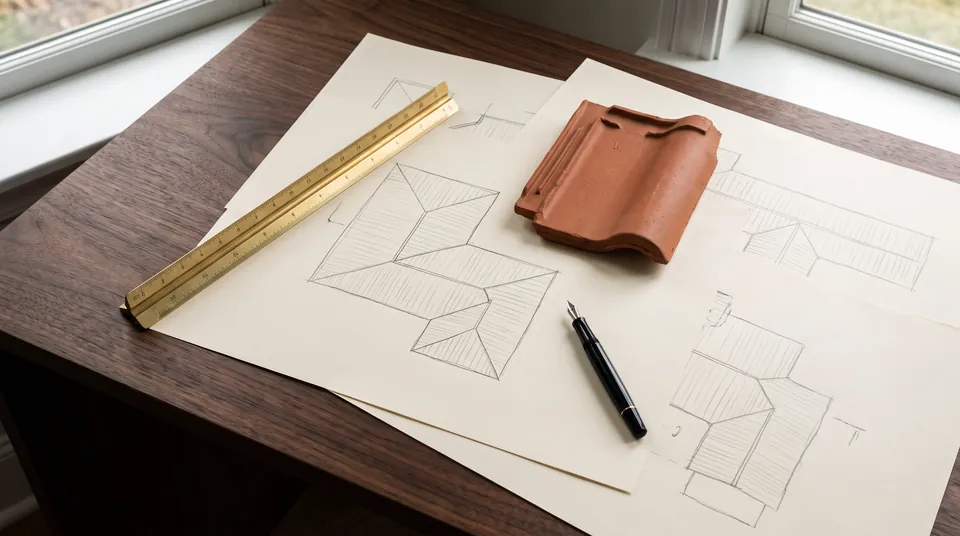
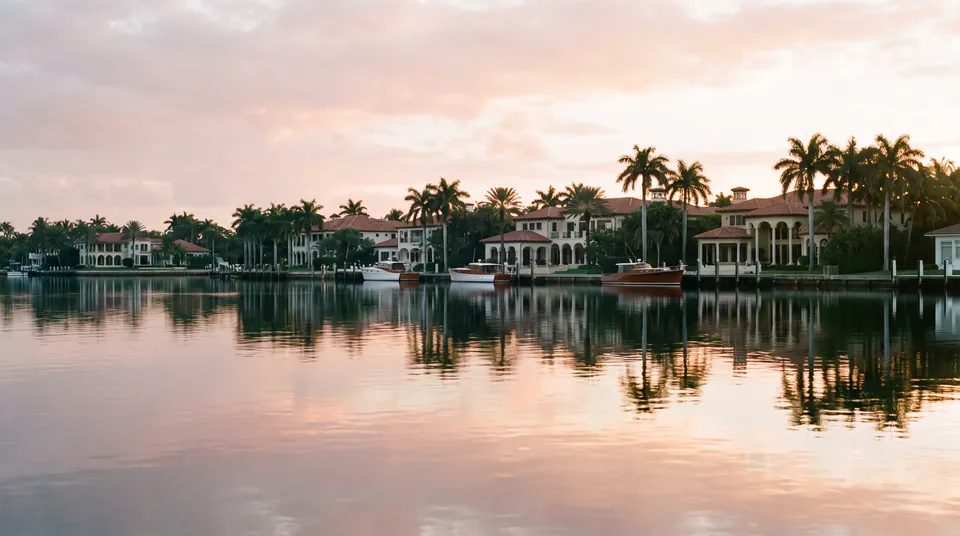
Most roof decisions begin with price or color. We begin with the home. Four things narrow the choice before anyone holds up a sample. They are the architectural style, the distance from the water, the structure beneath and your neighborhood rules.
Then we walk you through the options which remain, and we tell you plainly where each one falls short.
Material 01
Clay and concrete tile
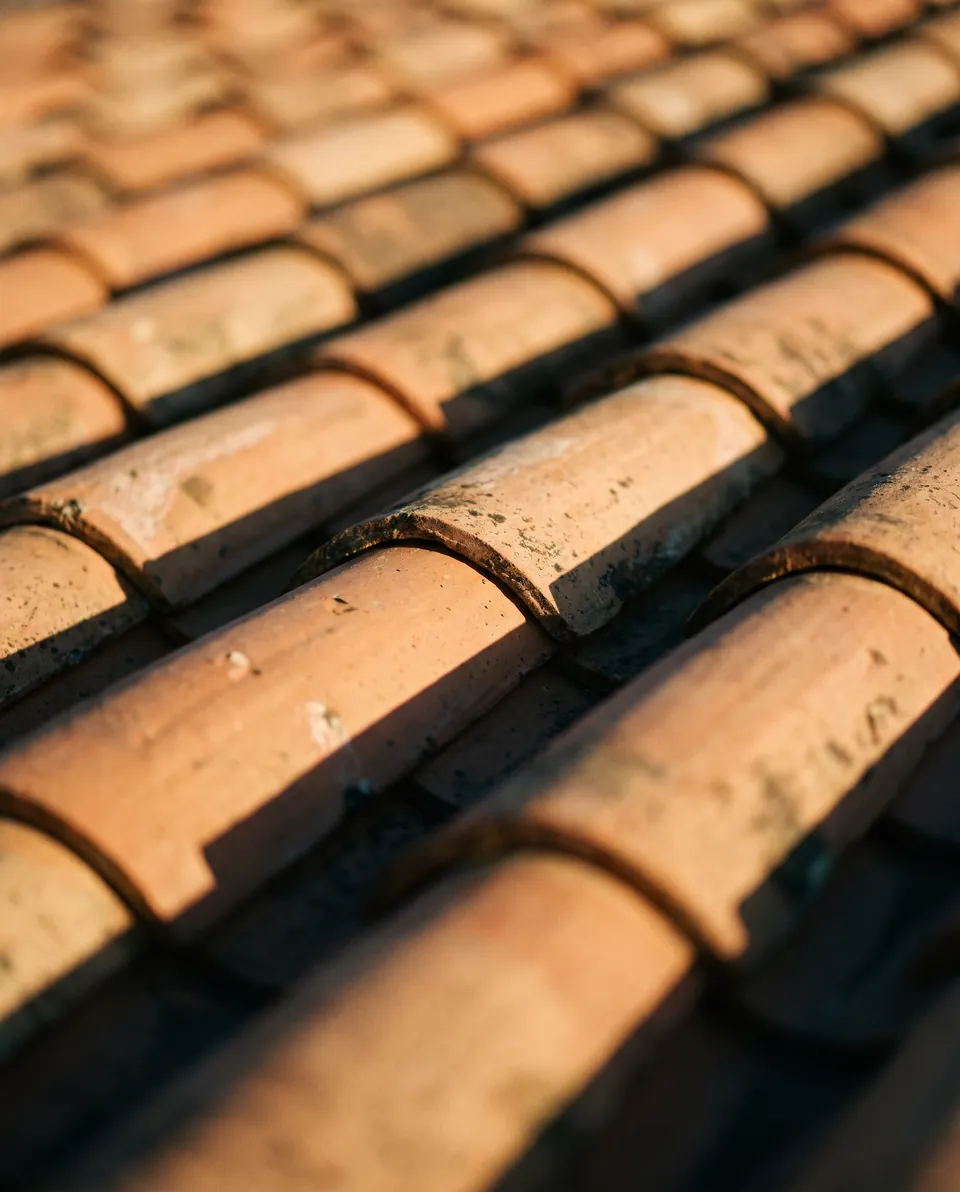
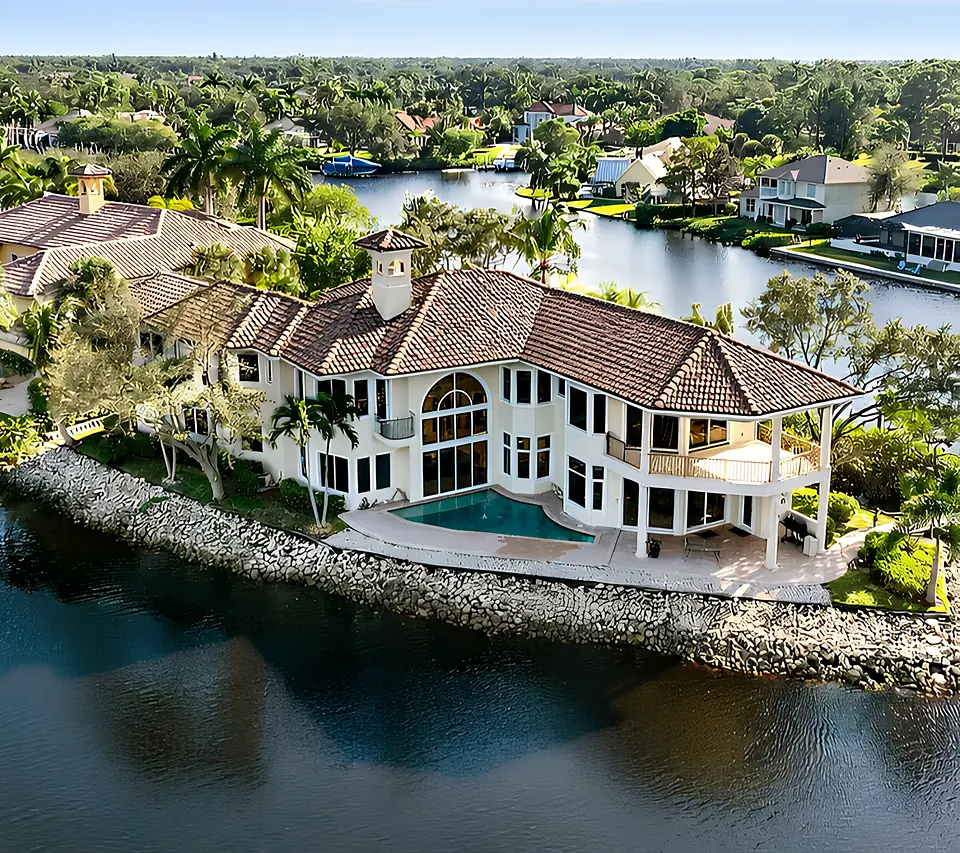
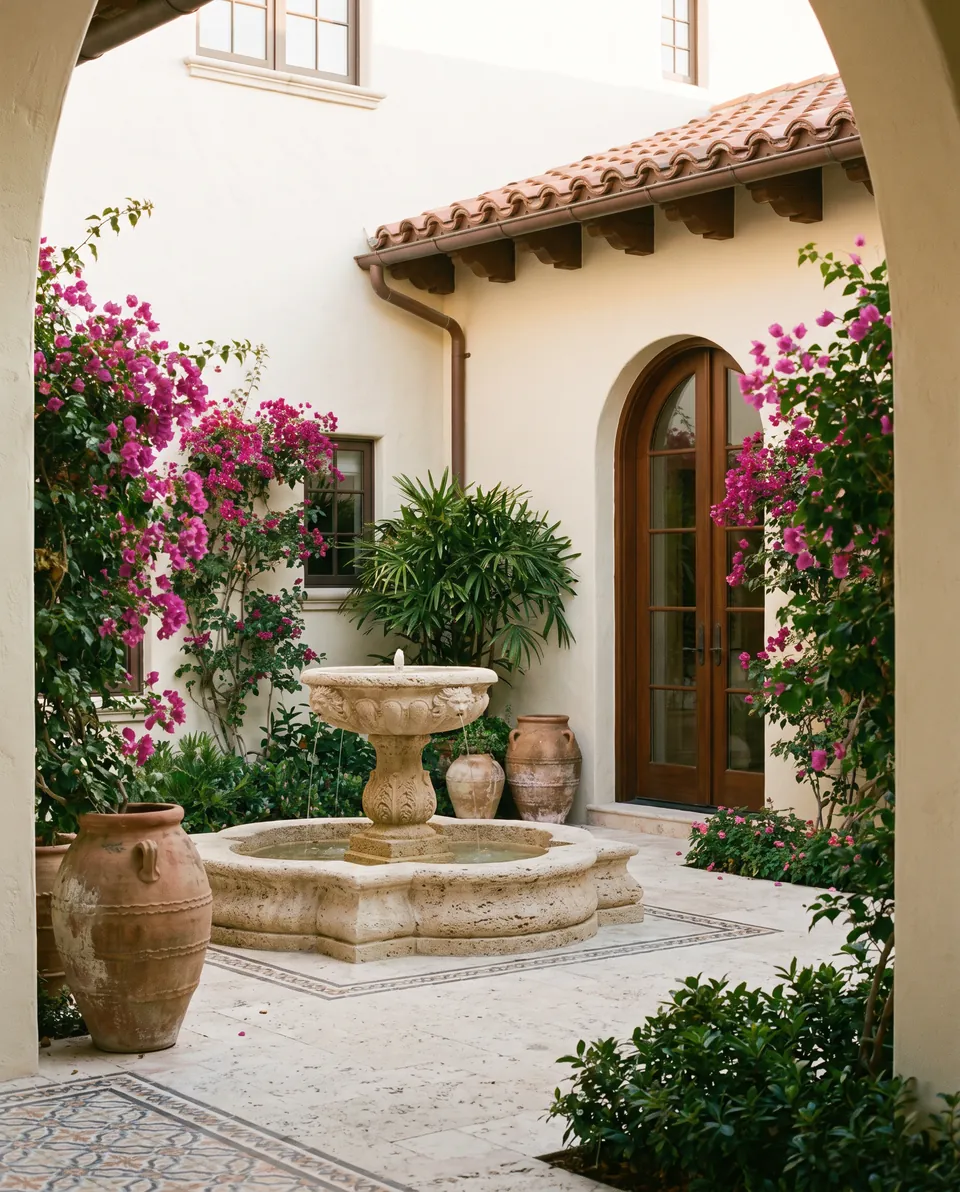
Barrel and S tile are signature Florida materials. They often anchor the architecture of Mediterranean and Spanish Colonial homes.
Underlayment, fastening and flashing details matter as much as the tile itself, so we inspect and document them whenever tile is lifted.
Best suited toMediterranean, Spanish Colonial and traditional homes
Coastal noteDetail flashing and fastening for wind-driven rain
CareInspect flashing and underlayment during any repair


Material 02
Standing seam metal
Clean lines suit contemporary and coastal homes. The seam profile, the metal and the coating should suit your exposure to salt air.
We detail ridges, valleys and penetrations by hand, because the seams are only as good as the flashing around them.
Best suited toContemporary, coastal and British West Indies homes
Coastal noteChoose coating and fasteners for salt exposure
CareRinse and inspect seams and flashing on a regular schedule


Material 03
Slate and cedar shake
Slate is a long-lived natural material with a refined texture. It needs an experienced installer and a structural review because of its weight.
Cedar shake brings a warm, natural character to select estates. Fire and wind requirements and local rules need review first.
Best suited toEstates where the architecture calls for natural material
Coastal noteWeight and fire requirements guide the decision
CareStructural and design review before ordering


Material 04
Premium architectural shingle
A practical choice for some homes, when design review and budget align. We explain where it fits and where it does not.
Best suited toHomes where a lower-profile roof suits the design
Coastal noteProfile and color are matched to the neighborhood
CarePeriodic inspection of edges and flashing

Installation
What sits beneath the roof decides how it performs.
We open the roof, inspect the deck and document what we find with photographs. Then we install underlayment, flashing and fasteners to the manufacturer and code requirements for your home.
Every re-roof in Palm Beach County follows the wind provisions of the Florida Building Code. Salt air and wind-driven rain shape how we detail edges, penetrations and transitions.


Repair and maintenance
Repairs follow the same discipline.
A repair done well starts with the source. We trace the cause, document the surrounding conditions and repair the roof so the fix belongs to the home.
If you own a second home, we send photographs and written updates, so you see the work without being on site.
Questions
Before your first call.
How do you choose a material for my home?
We look at the architecture, the exposure, the structure and your neighborhood rules. Then we explain the options in writing, including the trade-offs.
Do you handle permits and design review?
We prepare the permit and design review package whenever your town or community requires one.
Do you work while we are away for the season?
Yes. We arrange remote approvals, photo updates and a single point of contact, so you stay informed from wherever you are.
Do you handle insurance claims?
We focus on privately funded projects and do not handle insurance claim work.
Private consultation
Tell us about your home. We will take it from there.
A project director walks the property with you or your representative, listens first and follows with a written scope.